

Phytophthora cinnamomi (Phytophthora Dieback) is a type of root rot that affects a wide range of economic crops such as avocado and pineapple, alongside wild plants and is an extreme threat across much of western and southern Australia. P. cinnamomi is an incredibly destructive fungal pathogen that, if not handled swiftly and carefully, can wipe out entire orchards of avocados, pineapples and also devastate entire ecosystems in native bushland. It is also known to attack other plants and trees such as:
- Macadamia integrifolia (Macadamia)
- Prunus spp. (Stone Fruits)
- A range of wild plants from the Genera Banksia, Darwinia, Grevillea, Leucopogon, Verticordia and Xanthorrhoea.
P. cinnamomi is a very serious problem throughout south-east Western Australia but is also a threat to plant species throughout Victoria, Tasmania and South Australia. Only the Northern Territory is considered safe from the disease as the conditions are extremely unfavorable for it to be any serious threat.
Symptoms
P. cinnamomi is a very serious problem throughout south-east Western Australia but is also a threat to plant species throughout Victoria, Tasmania and South Australia. Only the Northern Territory is considered safe from the disease as the conditions are extremely unfavorable for it to be any serious threat.
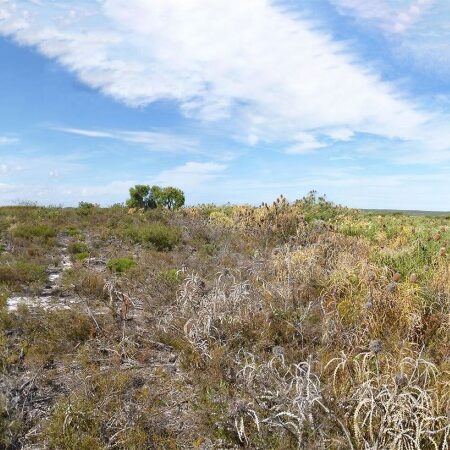
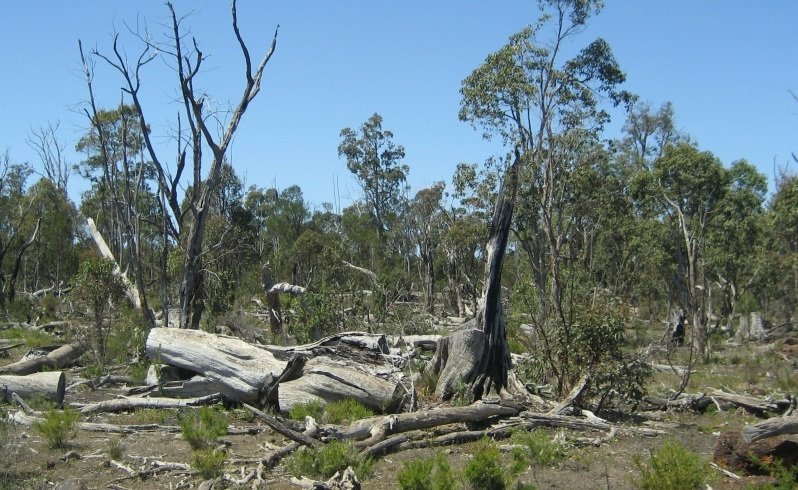
Symptoms of P. cinnamomi can sometimes take some time to show after a host plant has been initially infected. Above the soil, the affected plant will begin to see signs of dieback, wilting, reduced fruit production and yield (if the plant produces fruit), stem cankers, leaf curling and chlorosis, gum exudation and also leaves the host open to other secondary diseases such as collar rot.
Once symptoms begin to appear, the tree will show a noticeable decline in all areas of its health. Leaves will appear a less full, pale green and will drop pre-maturely for no obvious reason. Shoots will gradually begin to die back to the point where the tree becomes a skeletonized husk of dying branches.
Below the soil the symptoms become very clear, very quickly. Even early on in the infection, infected roots will show clear signs of root rot as the pathogen spreads and the tissue of the roots themselves become completely incapable of absorbing nutrients for the host.
Causes
P. cinnamomi is capable of spreading through soil, infected plant material (leaves, stems, branches, etc.) and water. During periods of harsh environmental conditions the disease can enter a dormancy phase in which the disease turns into chlamydospores and can survive in stasis for extremely long periods of time.
Once environmental conditions become favorable again, the dormant chlamydospores begin to germinate and release zoospores which infect a host plant through the root tips. As zoospores require water to move, infection is most likely in extremely wet soils, such as those that are heavily compacted and frequently flood due to poor drainage.
Once the disease infects the roots of a host, it spreads along the length of the root, absorbing carbohydrates and nutrients within the root and destroying the root tissue causing it to rot.
Management
Preventing the problem from occurring in the first place is often the best strategy. We’ve included some more specific details regarding specific methods that should be utilised in tackling this particular disease.
Preventing the rot in the first place is the best practice and can be done by utilizing an integrated management strategy involving biological and cultural control methods alongside appropriate usage of fungicides. Trees should be planted in soil that is easily drained (allowing water to feed directly in to the underground water table without issue) as well as having a healthy layer of mulch and organic material within the soil that can shield the spread of the pathogen.
Once P. cinnamomi infects a tree or plant there is little there is no known way to cure it. The best course of action is to contain and destroy the tree alongside all roots, plant material and soil to ensure that any diseased tissues and soil is eliminated for future plantings.
Further Reading
Queensland Government [Business Queensland]. (2023, July 12). Brown root rot. Business Queensland. Retrieved July 15, 2025, from https://www.business.qld.gov.au/industries/farms-fishing-forestry/forests-wood/pests-diseases/trees-timber/brown-root-rot
Queensland Government [Business Queensland]. (2022, October 19). Phytophthora root rot. Business Queensland. Retrieved July 15, 2025, from https://www.business.qld.gov.au/industries/farms-fishing-forestry/agriculture/biosecurity/plants/diseases/horticultural/phytophthora-root-rot