
Tree Health Score Card Assessments
Our Tree Health Score Cards provide an in-depth, standardized evaluation of your trees’ health. We assess factors such as canopy density, leaf colour, branch structure, root condition, and the presence of pests or diseases.
Each tree is given a health score that tracks its overall condition over time, allowing you to monitor changes and address potential issues early. This diagnostic tool is particularly useful for property managers, municipalities and homeowners who want to maintain the health of their trees and make informed decisions about tree care, pruning or removal.
Need Help With Your Trees, Garden or Lawn?
Heritage Consultancy has over 20+ years of experience within the arboriculture industry across South-East Queensland, with a proven track record of excellence and diligence.
Plant Health Scores
Plant assessment involves visually evaluating plant dimensions, canopy, foliage, and chlorophyll/sugar content to understand the overall health of the tree and identify any issues that are currently present. It assists arborists with guiding their strategy towards the long-term improvement and sustainability of the trees’ health. Furthermore, while conducting inspections on large groups of trees’, scorecards can assist arborists in determining which trees need to be further investigated for other concerns.

Excellent Health.
A tree with excellent health is considered to be in the best shape possible. This is often indicated by a full and well balanced crown, a full canopy that appears excellent in colour and size and little to no pathogenic or pest damage present.
KEY FEATURES
- Tree crown is full and balanced.
- Foliage covers the entire canopy with excellent colour and size.
- Minimal to no pathogenic or pest damage present on or around the tree.

Good Health.
Tree’s in good health are often identified by a full but slightly unbalanced tree crown with foliage covering the entire canopy that show good colour and leaf size, alongside little to no pathogenic or pest damage present.
KEY FEATURES
- Crown is full but slightly unbalanced in some areas.
- Foliage covers the entire canopy with leaves that are a good, healthy colour and size.
- Minimal to no pathogenic or pest damage present.

Fair Health.
A tree with a fair health score is still structurally sound but may be showing signs of decline or problems that need to be addressed. This is often identified by an unbalanced crown alongside a patchy canopy, with leaves being in reasonably good condition. Minor pathogenic or pest damage may be present.
KEY FEATURES
- Crown can be unbalanced in some areas.
- Foliage and canopy is generally a good colour but some areas may show signs of stress.
- Minor pathogenic damage or pest presence present in some parts of the tree.
- Tree has less than 30% deadwood (dead limbs) present.

Poor Health.
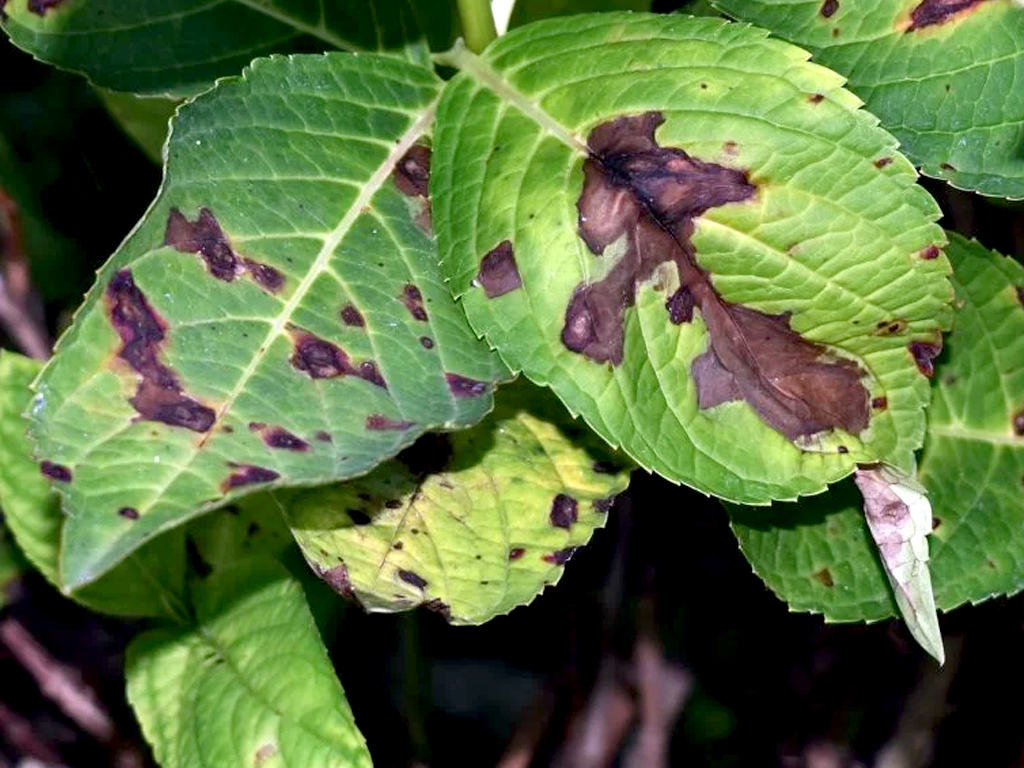
Tree’s with poor health scores are often found to be in decline or under threat from other stressors, pests or pathogens. The tree crown and foliage is sparse and heavily unbalanced, while the leaves themselves are often sickly in appearance. Most trees in poor health often display more then 30% dead limbs.
KEY FEATURES
- Crown is usually unbalanced across the board.
- Foliage is sparse and patchy, covering very little of the canopy. Discoloured and/or distorted leaves are a common sight.
- Clear signs of abiotic stressors that lead to the decline of the tree, including the presence of pests or disease.
- Tree has more than 30% deadwood (dead limbs) present.
Dead.

The tree is dead and there is nothing that can bring it back. Easily identifiable by a complete absence of all foliage. The tree will need to be removed if it puts either property or people at risk of damage or injury.
KEY FEATURES
- Easily identified by a complete lack of foliage on the entire tree and a dry, ‘dead’ appearance to the structure itself.
- The tree is deceased and may present a danger to pedestrians or property. Immediate removal is advised.
Need Help With Your Trees, Garden or Lawn?
Heritage Consultancy has over 20+ years of experience within the arboriculture industry across South-East Queensland, with a proven track record of excellence and diligence.