
TREE SCIENCE & DIAGNOSTICS
Applying Science To Improved Tree Health, Resilience & Longevity.
Core Services.
Plant Health Care Assessments
Assess the health, growing environment and management needs of trees showing signs of stress or decline.
Tree Pathology
Investigate suspected fungal, bacterial or other disease-related problems affecting roots, stems, foliage or surrounding soil.
Soil Biology and Microbiology
Assess the biological condition of the soil and the factors affecting nutrient cycling, root function and plant health.
Soil and Nutrient Analysis
Examine soil structure, chemistry, nutrient availability, salinity, pH and other factors that may affect tree performance.
Sonic Tomography
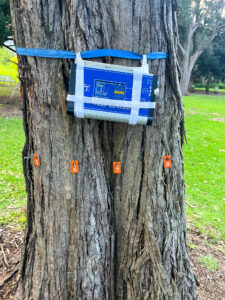
Use non-invasive diagnostic technology to investigate internal decay and changes in wood density within a tree stem.
Decay Investigations
Assess the location, extent and significance of decay using visual assessment and appropriate diagnostic methods.
Root Investigations
Locate and assess roots to understand root distribution, condition, damage or conflicts with proposed works.
Laboratory Testing
Collect and submit plant, soil or tissue samples where laboratory analysis is needed to investigate a suspected problem.
Tree Physiology Assessments
Evaluate how the tree is functioning and responding to environmental, biological or physical stress.
Remediation Planning
Translate investigation findings into a staged, practical plan for improving soil conditions, root function and tree health.
Not Sure Which Assessment Your Project Requires?
You do not need to diagnose the problem before contacting us.
Prefer to speak with someone instead?
Give our consultancy team a call on 1800 353 053
What Tree Decline MIGHT Look Like.
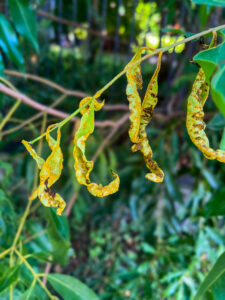
Visible signs and symptoms often provide the first clue but rarely reveal the complete cause. A single observation does not automatically identify the underlying problem. A structured investigation is required to distinguish primary causes, contributing stress factors and incidental findings.
Contact us if you notice any of the following:
Symptoms of Tree Decline.
- Thinning or uneven canopy growth
- Dead branches or progressive canopy dieback
- Premature leaf drop
- Discoloured, undersized or distorted foliage
- Reduced shoot growth or loss of vitality
- Bark loss, lesions, bleeding or abnormal exudates
- Repeated pest activity or disease symptoms
- Poor growth or establishment following planting
Decline following nearby construction, excavation or changes in drainage
Treatments that have not produced an improvement
Signs of Instability or Potential Failure.
- Soil heaving, lifting or cracking around the base of the tree
- Recent movement or leaning of the trunk or root plate
- Large cracks or separation between co-dominant stems
- Splitting at major branch unions
- Hanging, broken or partially detached branches
- Cavities or extensive areas of decay in the trunk or major limbs
- Fungal fruiting bodies associated with the trunk, buttress roots or surrounding root zone
Severed, exposed, decayed or mechanically damaged structural roots
Sudden canopy collapse or failure of major branches
Significant defects that have recently changed or worsened
How We Investigate Tree Health & Condition.
Step 1
Understanding The Concern.
We discuss the symptoms, site history, previous treatments and the decision the client needs to make.
Step 2
Inspecting The Tree & Growing Environment.
A consultant examines the canopy, stem, root zone, soil conditions and surrounding site.
Step 3
Developing Likely Causes.
We consider the biological, structural and environmental factors that may be contributing to the problem.
Step 4
Selecting An Appropriate Diagnostic Method.
Where necessary, Heritage may recommend soil analysis, root investigation, sonic tomography, tissue sampling or laboratory testing.
Step 5
Interpreting The Evidence.
The results are considered together rather than treating any single test as a complete diagnosis.
a
Step 6
Recommending The Next Step(s).
We provide practical recommendations for treatment, remediation, monitoring, further investigation or removal.
Depending On The Results, The Client May Receive…
- A Summary Of Observed Symptoms.
- Assessment Of Likely Contributing Factors.
- Diagnostic Results.
- Soil Or Laboratory Findings.
- Images, Diagrams Or Tomography Outputs.
- Tree Condition & Retention Advice.
- Treatment Or Remediation Recommendations.
- Monitoring Requirements.
- Maintenance Priorities.
- Removal Recommendations Where Retention Is No Longer Practical.
- A Staged Implementation Plan.
Remediation Based On Evidence.
Treat the growing environment, not only the symptoms. Many tree-health problems begin below ground. Compacted soil, restricted root volume, poor drainage, construction impacts and low biological activity can limit root function and leave trees vulnerable to secondary pests, disease and environmental stress. Where remediation is appropriate, Heritage Consultancy may recommend a staged combination of:
Recommendations are prioritised according to likely benefit, urgency and practical site constraints.
Case Study.
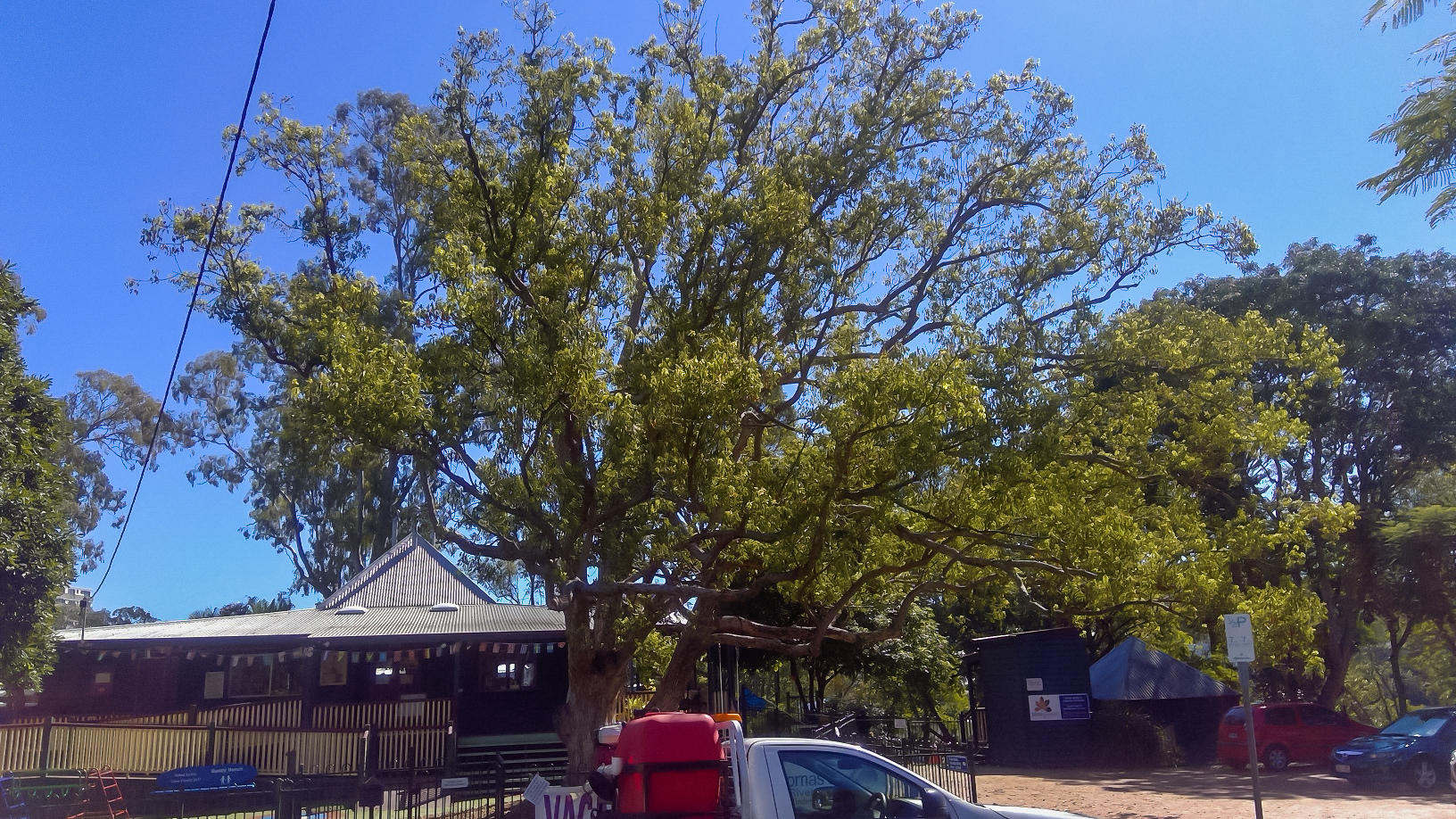
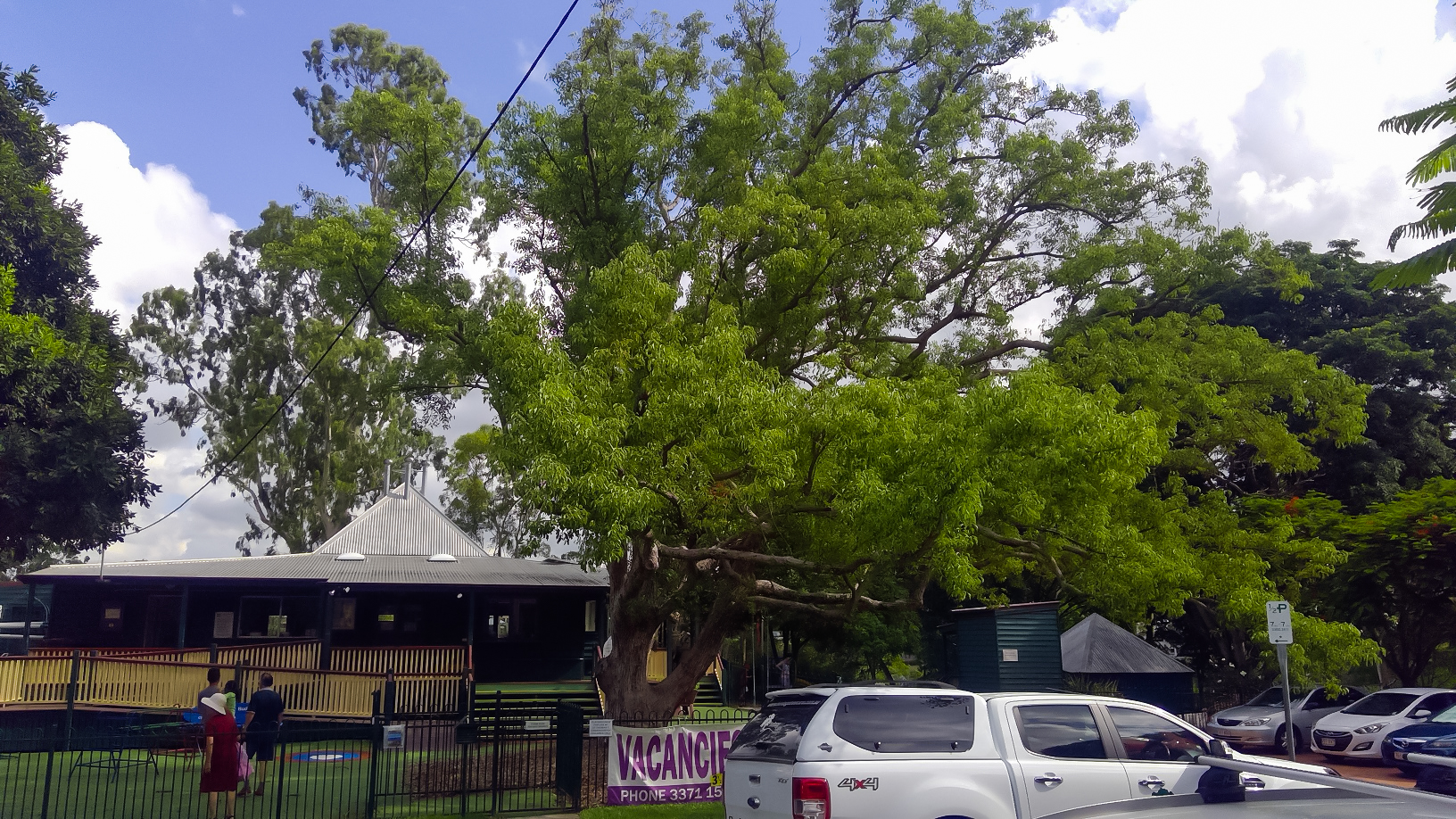
Identification of Environmental Stressors – Cyprus Avenue Carpark, Surfers Paradise
Project Type:
To identify the abiotic and/or biotic stressors that are currently impacting a Camphor laurel in the Cypress Ave carpark, Surfers Paradise.
Project Stage:
Inspection through to remediation and post-treatment monitoring.
The Challenge:
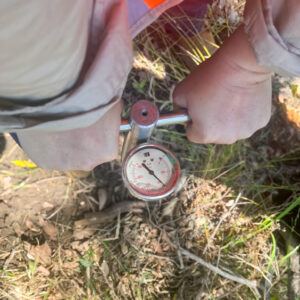
Upon site inspection soil penetrometer read at 200m and beyond was greater than 600psi. Reading above 300pis start to slow root development.
Read more…
The tree itself was growing in a contained bed of 7m x 7m with the entire area around it covered in bitumen for carparking. The area under the tree provided a less than desired area to capture rainfall. Further inspection of the bed showed very limited amount of fibrous root mass essential for water and mineral absorption.
The surface was covered in a thick layer of hoop pine mulch, and this also provide a barrier to deep soil water infiltration. As a result, the tree was surviving on its own store resources and dropping foliage and small limbs to trim water loss from transpiration. Therefore, the tree was in a spiral of decline.
Our Approach:
The soil bed the tree was growing was renovated to encourage new fibrous root growth. This was achieved by removing the Hoop pine mulch and vacuum excavating a 1 metre wide strip around the perimeter of the bed to a depth of 300mm.
Read more…
The entire area was then decompacted down to 600mm with the VOGT Geoinjector that not only decompacted the soil but also injected missing soil minerals and additives to promote soil health and root growth.
Following this new soil was added back into the area and a forest floor wood mulch was laid down to a depth of 70mm. The tree was then placed on a 6 month plant health program receiving deep water injections of 1000L across the area mixed with Mycorrhizal fungi, humates, macro and Micro minerals and liquid seaweed.
The Outcome:
It was identified that the tree has a growing environment that is limited in renewable resources to sustain its own needs for healthy growth. This is due to the very small growing bed.
Read more…
There to ensure this tree performs it requires support every two years. As a result of supportive intervention, the Ficus tree recovered over time, but if no regular support is maintained it will slide backwards again.
Download the report for a full, comprehensive breakdown of the job and the results gathered.
Tree Science & Diagnostics FAQ’s.
Why Is A Tree Declining Or Shedding Branches?
A tree is a living organim which requires to be looked at as a whole and several parameters come into play . Therefore Assessing above-ground symptoms is only looking at half the picture.
Symptoms like Canopy thinning, poor foliage colour, reduced growth, deadwood and branch shedding may be visible above ground, but many chronic tree-health problems originate within the soil and root environment as it is he source of nutrients, water and other biostimulants. Soil Compaction, unsuitable soil, inadequate soil volume for the species, altered drainage, root damage and restricted access to water, limited oxygen and nutrients deficiency/toxicity are common stressors (stress factors) leading to the most common causes of decline and premature tree loss in urban environments.
Structural defects, previous pruning and environmental exposure can contribute directly to branch failure. Pests and pathogens are also relevant, but they often act as secondary factors affecting a tree that is already under physiological stress.
Effective treatment depends on identifying the underlying cause rather than treating the most visible symptom. We assess the entire tree system, including its canopy, structure, roots, soil and site history, so the client’s budget is directed towards the factors actually driving the decline.
What Is Sonic Tomography & When Is It Justified?
Sonic tomography measures how sound waves travel through a cross-section of the trunk or a major branch. The results produce a tomogram showing variations in wood properties that may be consistent with decay, cavities, cracks or other internal features.
It is not an X-ray or a standalone retain-or-remove test. The results must be interpreted alongside the visual assessment, species characteristics, defect location, residual wood, tree architecture, loading and surrounding targets. Further investigation may sometimes be required to clarify the nature or extent of a defect.
We recommend sonic tomography where the findings are likely to materially improve a management decision. For significant or high-value trees, this can prevent premature removal while providing stronger evidence where pruning, risk mitigation, monitoring or removal is genuinely required.
How Do You Determine Which Pest Or Disease Is Affecting A Tree?
Correct diagnosis starts by assessing the tree and its growing environment, not simply identifying an insect, pathogen or fungal fruiting body.
The presence of a pest or pathogen does not necessarily mean it is the underlying cause of decline. Many organisms become active after root damage, soil compaction, moisture stress, unsuitable cultural practices or other environmental pressures have already reduced the tree’s natural defence capacity.
We examine the host species, symptoms, affected tissues, site history, environmental conditions and progression of the problem. Where required, this is supported by root investigation, soil assessment, microscopy or specialist laboratory analysis.
Finding the underlying cause allows us to treat the root of the problem and the conditions making the tree vulnerable. This avoids repeated expenditure on treatments that may suppress a symptom temporarily while the factors driving the decline remain unresolved.
What is Plant Health Care?
Plant Health Care is a structured, evidence-based approach to improving and maintaining tree health through diagnosis, targeted treatment, cultural management, monitoring and review.
Cultural practices for soil health improvement and remediation may include improving irrigation, drainage and mulching; managing soil compaction and surface traffic; reducing competition; improving the rooting environment; correcting unsuitable pruning practices; and protecting the root zone from further disturbance, leaching soil salts and buffering contaminants, increasing organic matter content and soil carbon, increasing soil life activity and beneficial soil microbes.
Heritage’s laboratory and PHC team is led by our soil microbiologist, Katia, who has developed and refined HTC’s specialist soil-conditioning blends over many years. These combine selected nutrients, mycorrhizal inoculants, worm castings and microbiologically active soil amendments that support the long-term improvement of the soil environment.
These blends are not applied as a generic treatment. Their composition and application are adjusted according to the tree species, soil characteristics, environmental conditions, identified limitations and treatment objectives.
Each PHC program is implemented over a defined timeframe appropriate to the species and site, with monitoring used to evaluate the tree’s response and determine whether the treatment strategy needs to be adjusted.
How Can VOGT Soil Decompaction Improve Tree Health?
The VOGT Geo-Injector uses controlled compressed air to fracture compacted soil and improve pore space, aeration, drainage, air and water movement within the root environment.
The system also allows HTC’s specialist soil-conditioning blends to be placed at selected locations and depths within the active root zone. Depending on the results of the assessment and testing, these may include targeted nutrients, mycorrhizal inoculants, worm castings and microbiologically active soil amendments.
This approach addresses both the physical condition of the soil and its capacity to support biological activity and root function over the longer term. It also places the selected amendments where functioning roots can access them more effectively than through surface application alone, particularly where compaction restricts the movement of water, oxygen and nutrients.
Treatment is tailored to the species, soil profile, site conditions and objectives of the program. It is then delivered over an appropriate timeframe and monitored against defined tree-health and soil outcomes.
How Do You Decide Which Treatment A Tree Requires?
Depending on the problem, our assessment may include tree-health and structural inspection, soil-profile investigation, compaction testing, physical and chemical soil analysis, nutrient testing, root investigation and laboratory assessment of soil biology or suspected pathogens. The results are considered alongside the species, age, site history, available rooting volume, environmental conditions and the tree’s capacity to respond.
This allows us to develop a targeted program rather than applying fertilisers, biological products or soil amendments without knowing whether they are required. It also establishes a baseline against which the tree’s response can be monitored. For the client, this means expenditure is directed towards treatments with a clear technical purpose, defined timeframe and measurable objective.
Can A Declining Tree Recover?
This depends if the problem is addressed early enough in the decline. A declining tree can Sometimes recover, but recovery depends on the cause, severity and duration of the decline, together with the tree’s remaining physiological and structural capacity.
Trees affected by reversible problems such as soil compaction, inadequate soil moisture, poor cultural practices or a manageable pest may respond once the underlying limitations are corrected. Trees with extensive root loss, advanced decay, severe vascular dysfunction or insufficient functional canopy may have limited recovery potential.
We assess whether intervention is technically justified and economically proportionate. Where recovery is realistic, we establish a staged PHC program with clear treatment and monitoring objectives. Where it is not, we provide honest advice so the client can avoid repeated expenditure and plan responsibly for risk management, removal and replacement.
How Important Are Soil Conditions & Rooting Volume?
Urban trees are frequently expected to reach mature dimensions in compacted, disturbed or highly restricted soil environments. Where the available soil volume is inadequate for the species, roots may be unable to access the water, oxygen and nutrients required to support the developing canopy.
Soil texture, structure, compaction, porosity, moisture, drainage, pH, salinity, nutrient availability, organic matter and biological activity can all influence tree performance. These factors interact and must be assessed together.
Our laboratory and PHC team investigates the relevant physical, chemical and biological components of the soil environment. This allows remediation to address the actual limiting factors and support long-term improvement rather than providing a short-lived response to the visible symptoms.
How Do You Investigate Roots While Minimising Damage?
Roots can be investigated using carefully controlled, minimally invasive techniques, including air excavation or vacuum excavation with appropriately managed water pressure and suction. These methods allow soil to be removed progressively so roots can be exposed, measured and assessed with substantially less risk than conventional mechanical excavation. They can also reveal soil compaction, poor structure, altered drainage and restricted rooting conditions that cannot be diagnosed from the canopy alone.
No excavation around roots is entirely without impact. Equipment settings, operator technique, root exposure time, protection and reinstatement must therefore be carefully controlled. The result is reliable evidence about the below-ground half of the tree, allowing treatment, design and management decisions to be based on actual site conditions rather than assumptions.
How Does Plant Health Care Save Money Over The Long Term?
The cost of investigation and early treatment is generally small compared with the ongoing cost of unmanaged decline. Without an accurate diagnosis, clients may pay for repeated pruning, generic fertiliser applications, ineffective pest treatments or short-term interventions while the underlying soil or root problem continues to worsen. This can eventually lead to premature removal, replacement costs, loss of canopy value and increased risk-management expenditure.
Our microbiologist-led approach combines testing, targeted cultural practices, tailored soil treatments and monitoring over an appropriate timeframe. The objective is to improve the conditions supporting the tree, extend its useful life and reduce the need for repeated reactive expenditure. For significant trees and large tree populations, this provides a more economical and defensible basis for directing maintenance budgets and protecting valuable tree assets.
Concerned About The Health Or Condition Of A Tree?
Do not keep treating the symptoms without understanding the cause.
Prefer to speak with someone instead?
Give our consultancy team a call on 1800 353 053